Author: Fred AMA
-
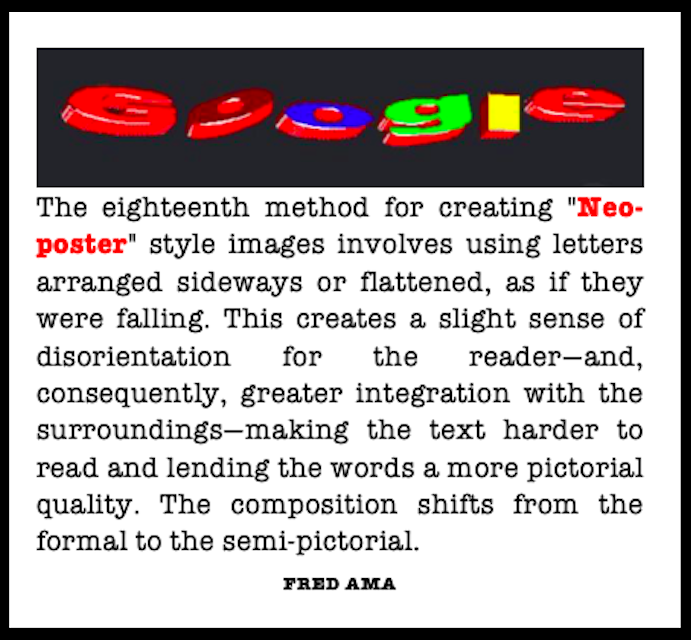
The eighteenth way…
The eighteenth method for creating “Neo-poster” style images involves using letters arranged sideways or flattened, as if they were falling. This creates a slight sense of disorientation for the reader-and consequently, greater integration with the surroundings-making the text harder to read and lending the words a more pictorial quality. The composition shifts from the formal…
-
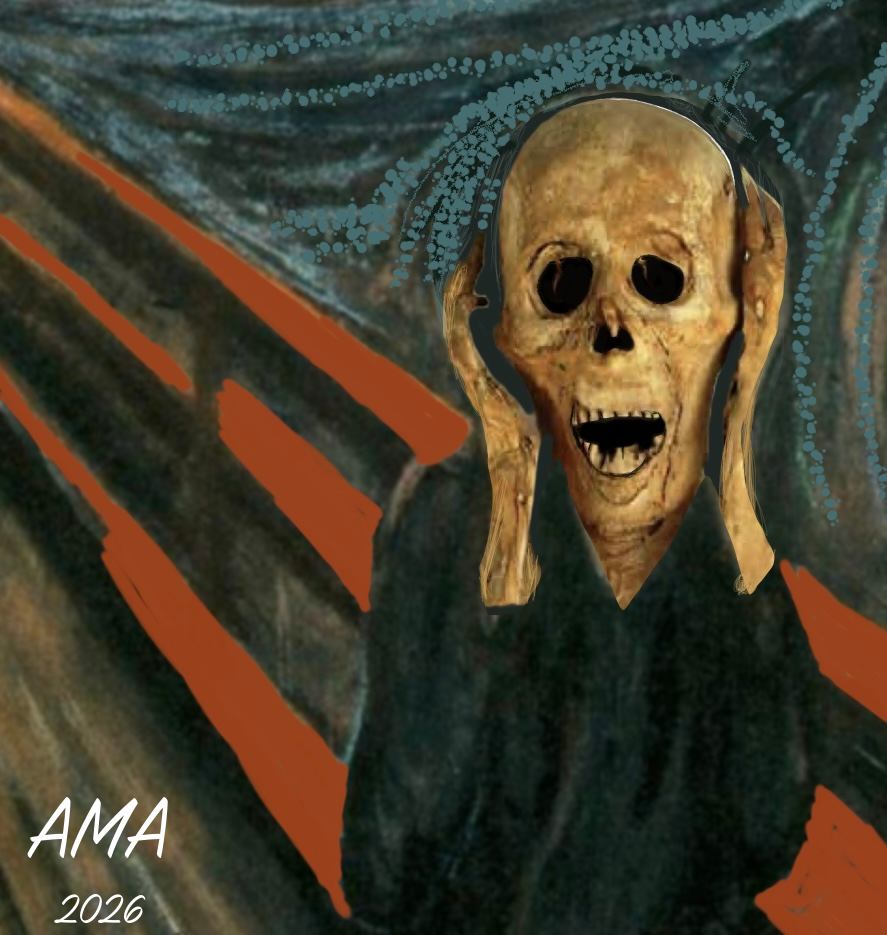
My Scream
Although I know the distinction between Art and Science, I think that art can have a method, at least in painting and drawing. I propose the following steps: I have always seen in “the scream” (Munch) a clear example of the aforementioned methodology
-
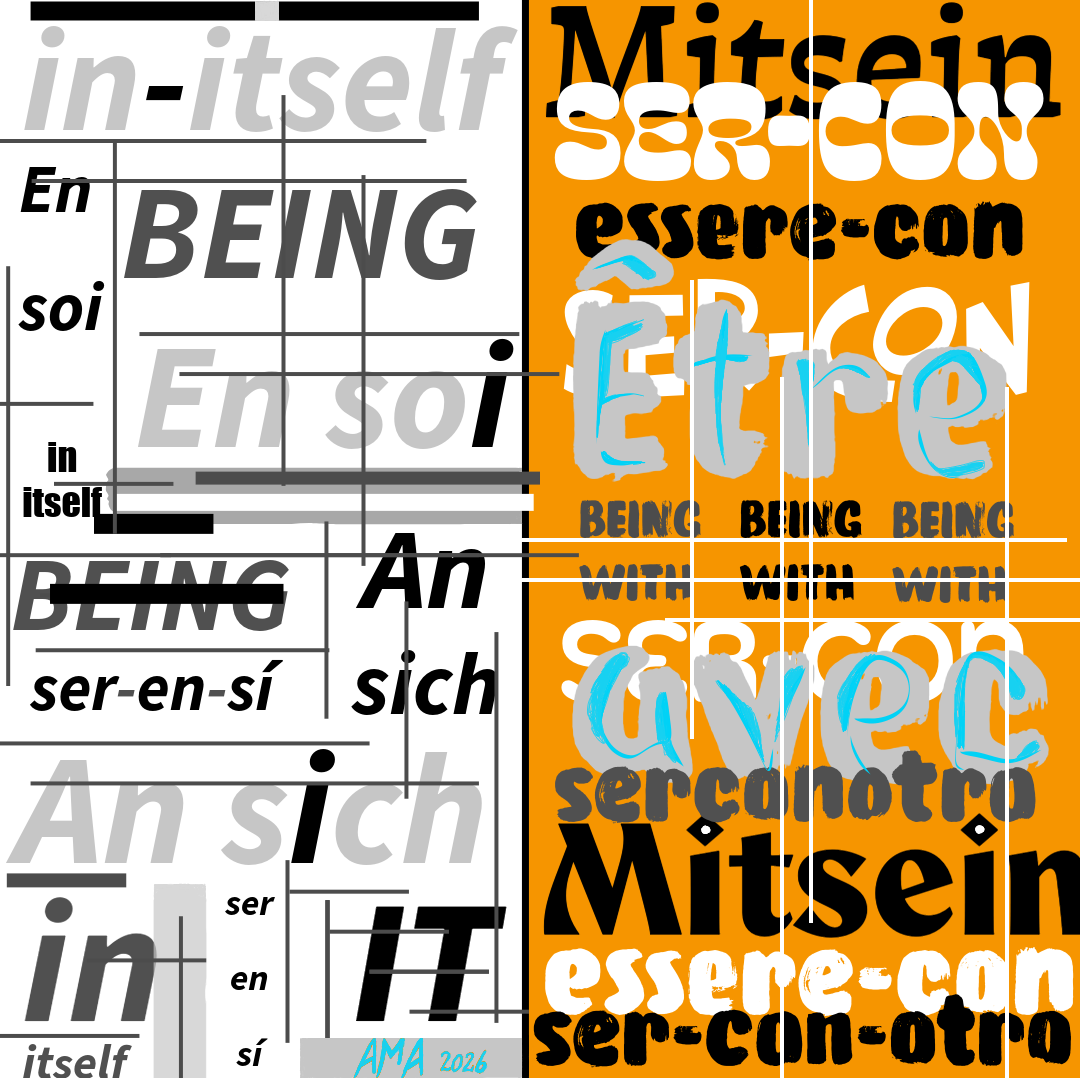
Being-with versus Being-in-itself
For the French thinker Jean-Luc Nancy (1940–2021), human existence unfolds in relation to others. This is encapsulated in the expression “being-with”—in contrast to Sartre’s “being-in-itself,” the latter representing an isolated, closed, and self-sufficient view of the human phenomenon. In other words, the core of experience for Nancy is co-existence: we exist in a state of…
-
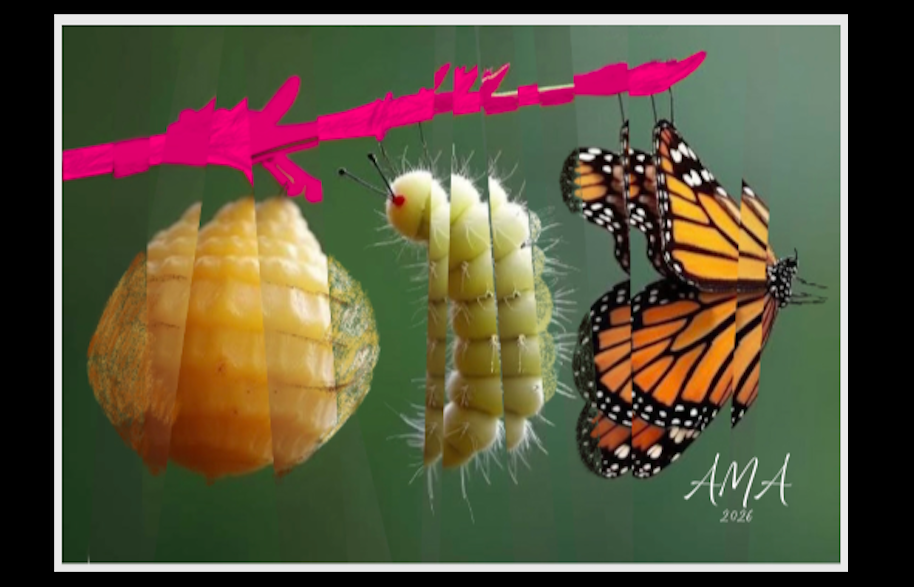
Deep-Painting: Dynamic
Inspired by a post from my friend Shakhida Akhmedova, I present another version—or variation—of “Deep Painting,” in which different cross-sections of the frontal plane reveal a process. This serves as yet another counter-argument to the characterization of visual knowledge as superficial. As this image demonstrates, a continuous flow can be encapsulated within a single picture.
-
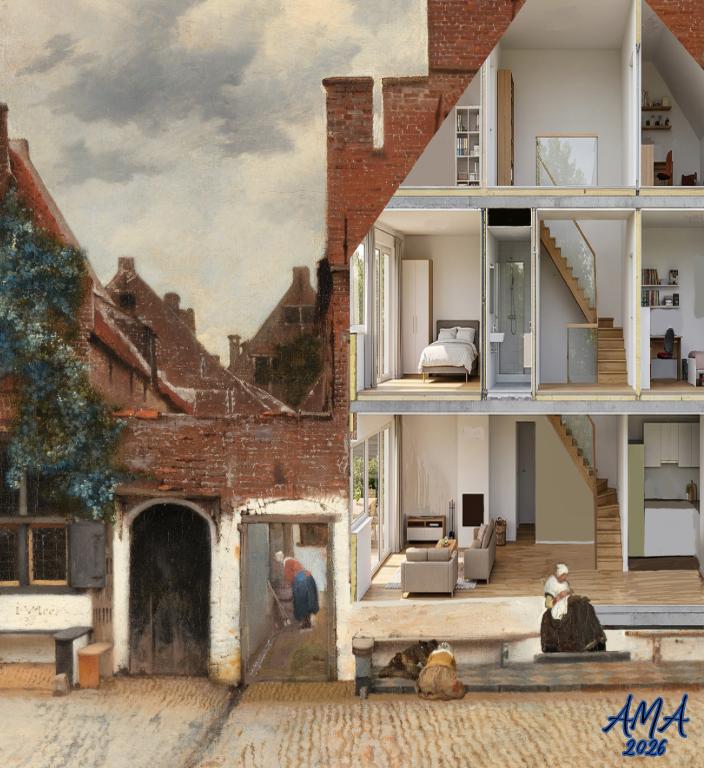
“My little street”
Let us take Vermeer’s painting The Little Street (c. 1657–1658) and apply the central concept of the “Deep-Painting” style: generating an epistemic gain (an increase in knowledge). In this instance, this is achieved by setting back the frontal plane of the main façade, thereby revealing the interior of the house and its various elements.
-

How should it be understood?
How should it be understood? It is a “Deep-painting” work in which a hand has been taken and specific sections of the frontal plane have been recessed to varying depths, thereby revealing the underlying bone tissue. This characteristic is inherent to “Deep-painting”; it represents a gain in knowledge that challenges the apparent superficiality of visual understanding.
-
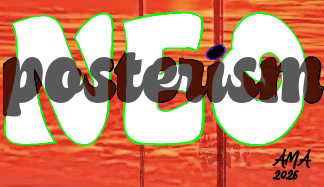
Vice Versa
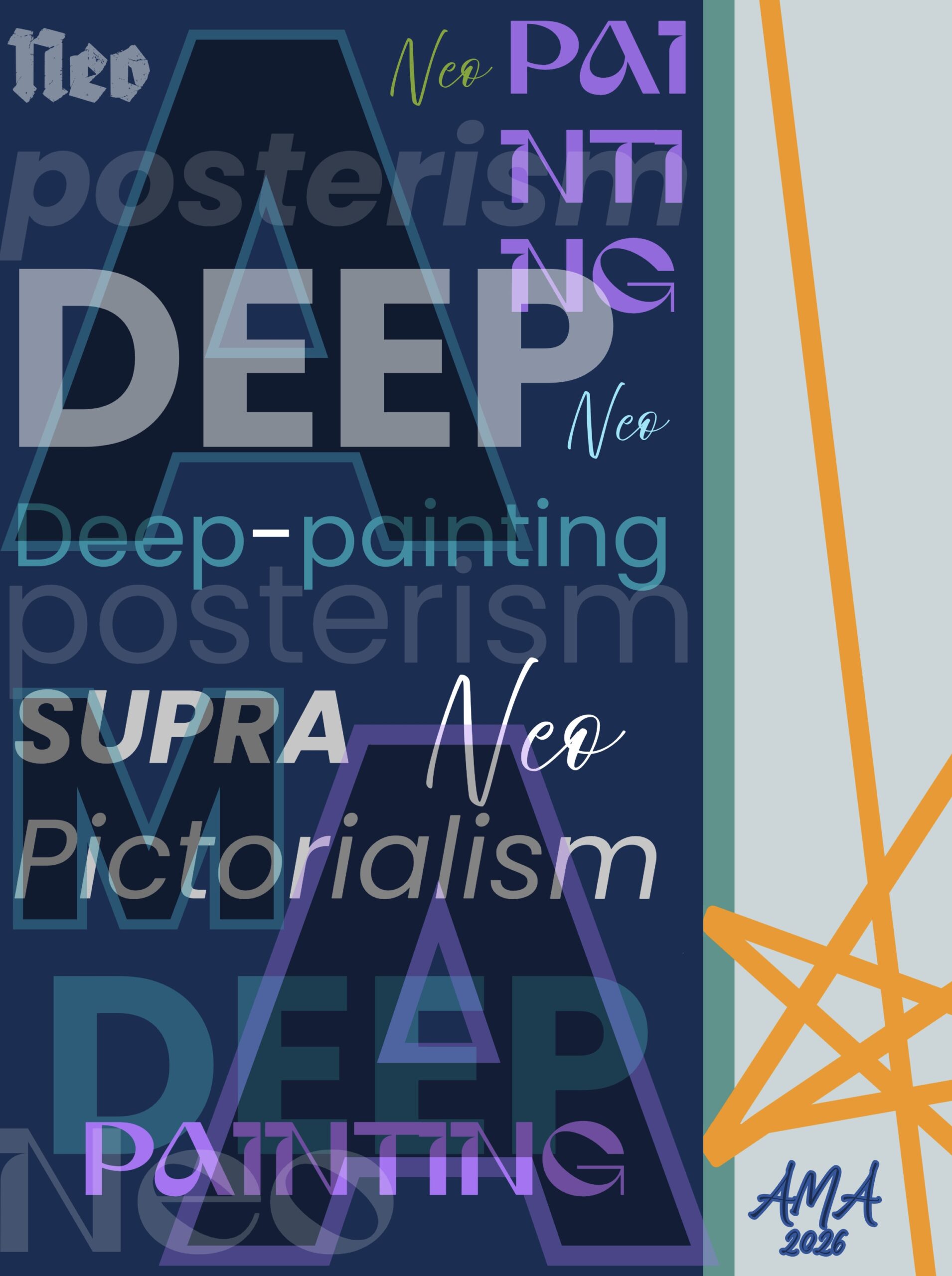
Long before medieval paintings with religious slogans, Poster Art has been present in the history of the visual arts. Since Chéret & Toulouse-Lautrec, the written message has served as a narrative function; that is, writing and images have reinforced each other to create a striking image. Neoposterism, on the other hand, takes a different approach:…
-
-
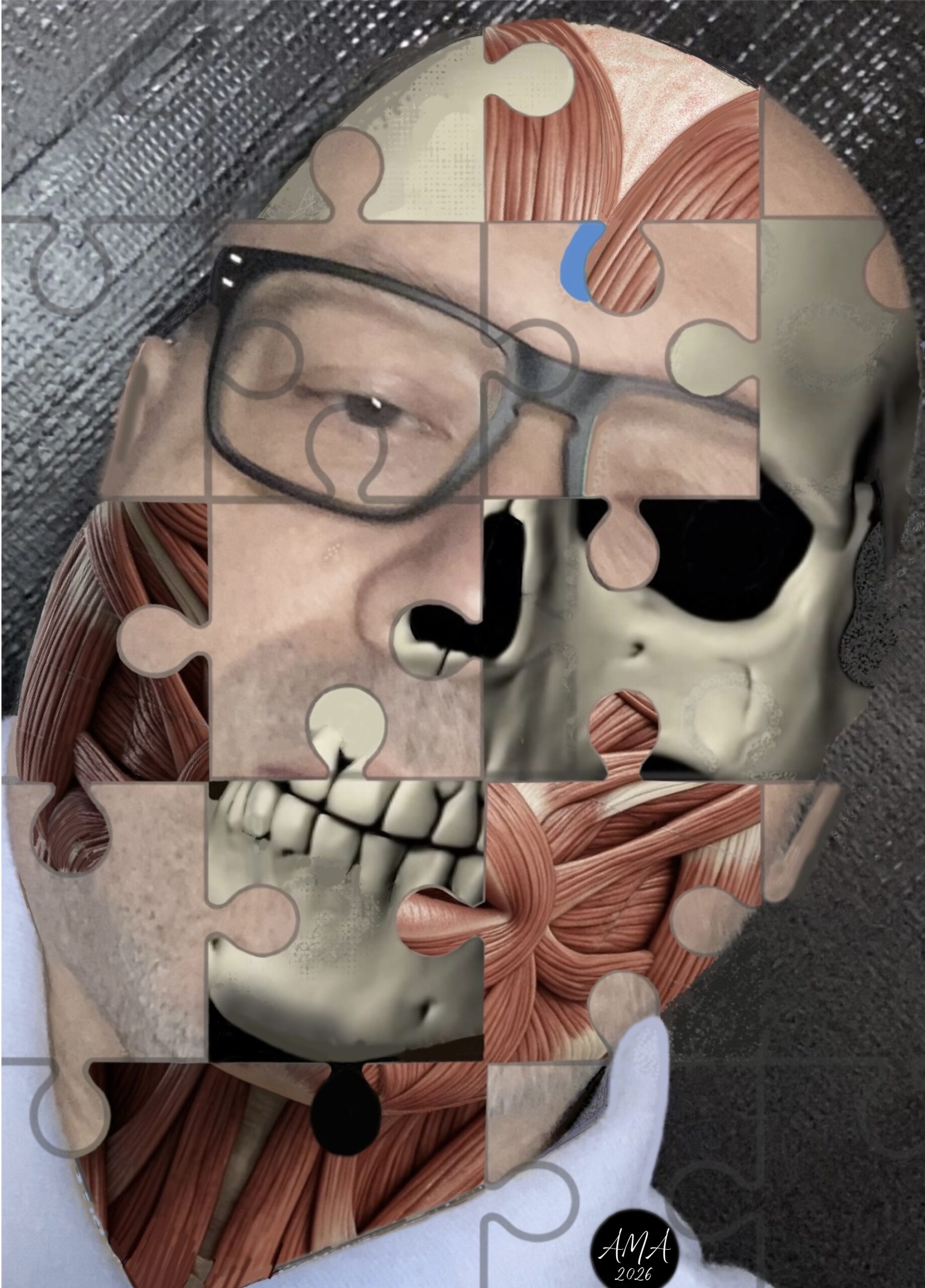
Deep Portrait
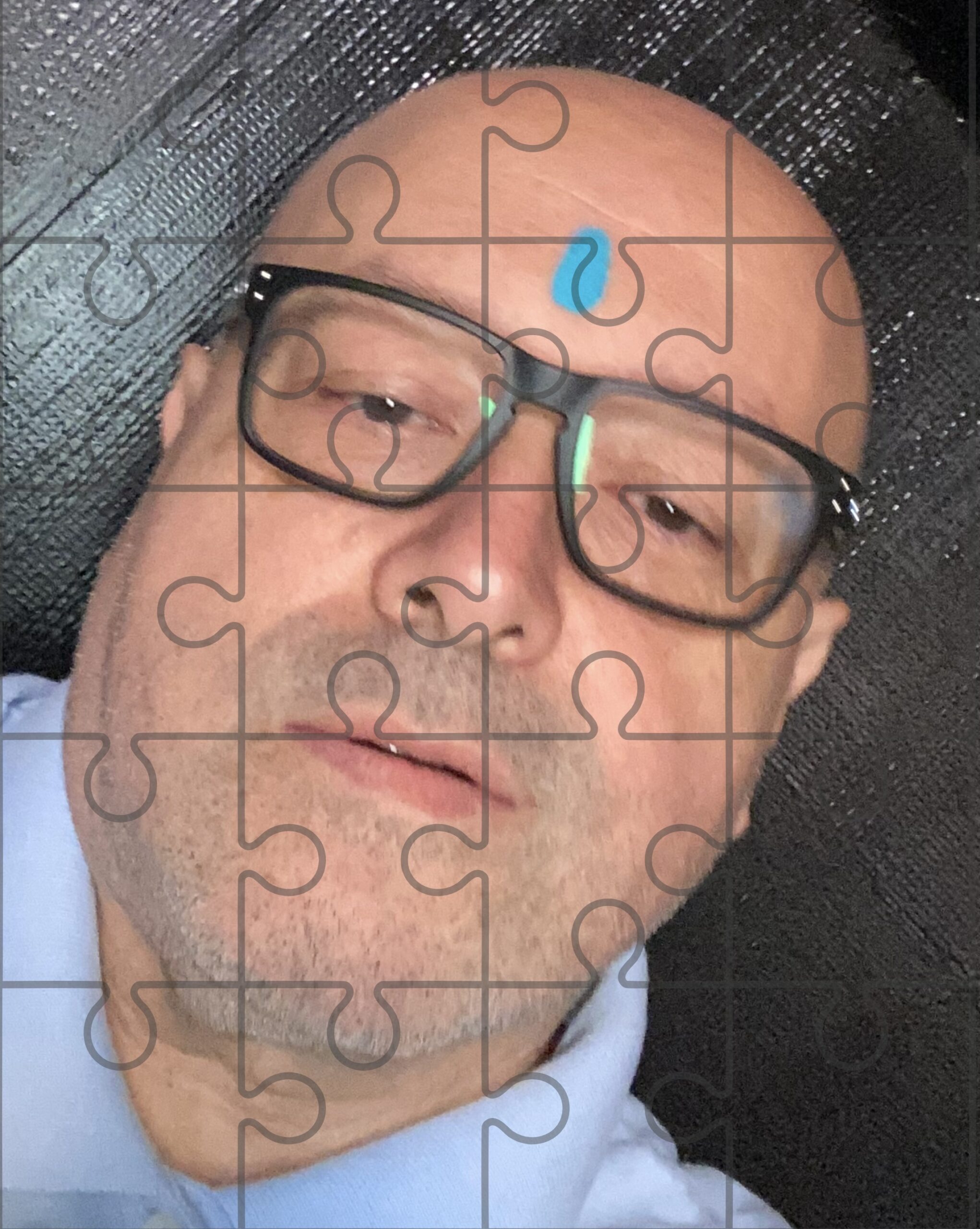
What kind of image is this, and how should it be understood? It is a “Deep-painting” work in which a face has been taken and specific sections of the frontal plane—arranged like puzzle pieces—have been recessed to varying depths, thereby revealing the underlying muscle and bone tissue. This characteristic is inherent to “Deep-painting”; it represents…
-
Muscle transformation
The concept of “Deep-painting” allows for an understanding of this video, as the frontal plane of my head has been recessed (in a curved manner), reaching down to the musculature. This process has yielded knowledge—a characteristic feature of this style—thereby challenging the conventional conception of visual knowledge (which is typically superficial and one-sided).