Category: + Neo-posterism
-
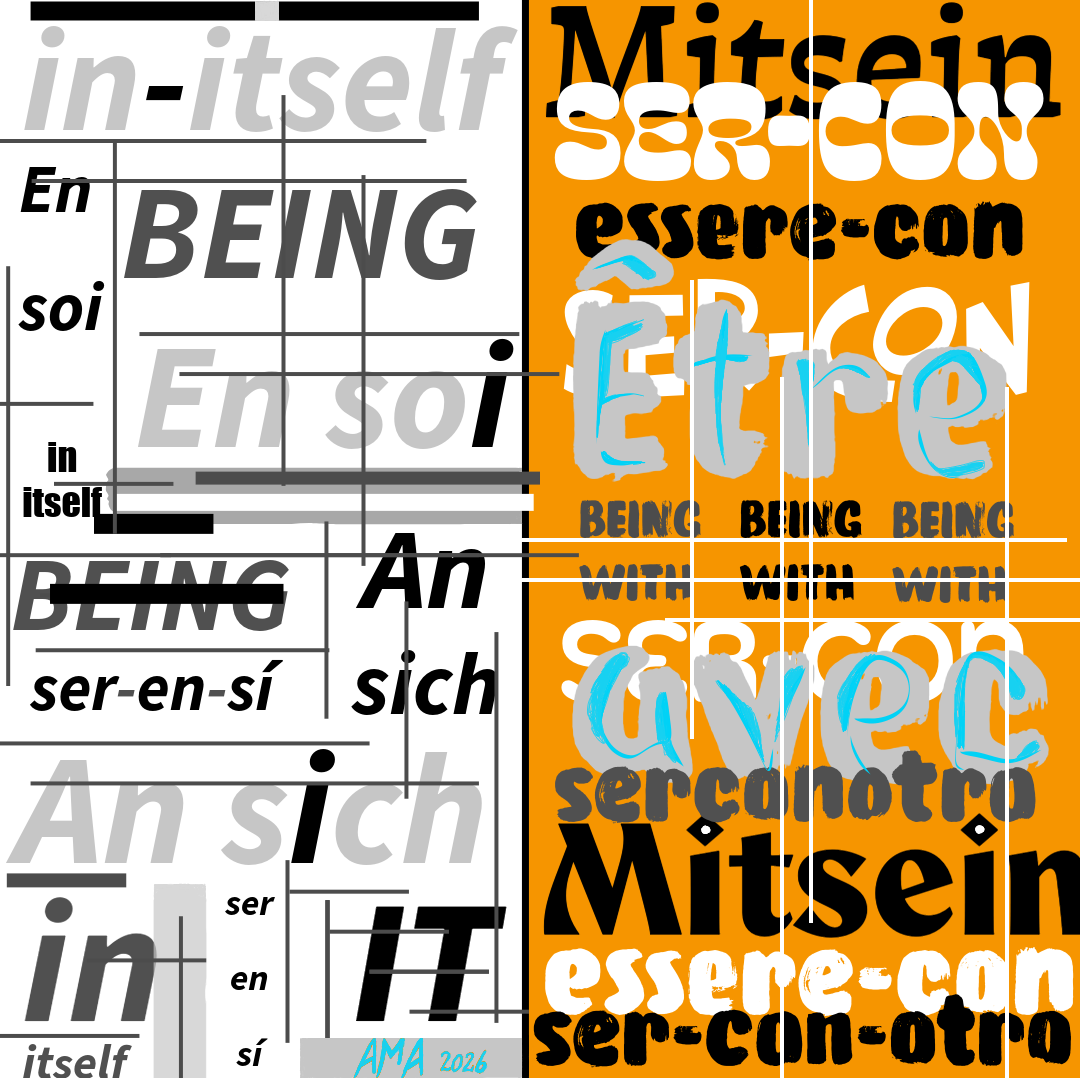
Being-with versus Being-in-itself
For the French thinker Jean-Luc Nancy (1940–2021), human existence unfolds in relation to others. This is encapsulated in the expression “being-with”—in contrast to Sartre’s “being-in-itself,” the latter representing an isolated, closed, and self-sufficient view of the human phenomenon. In other words, the core of experience for Nancy is co-existence: we exist in a state of…
-
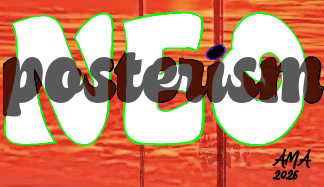
Vice Versa
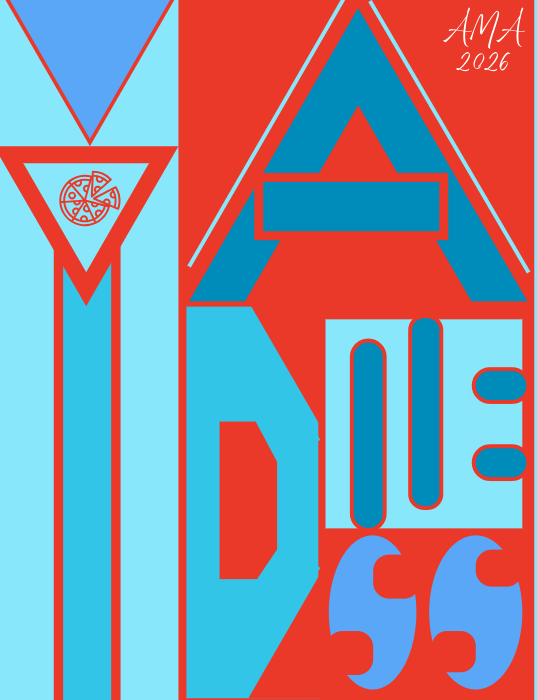
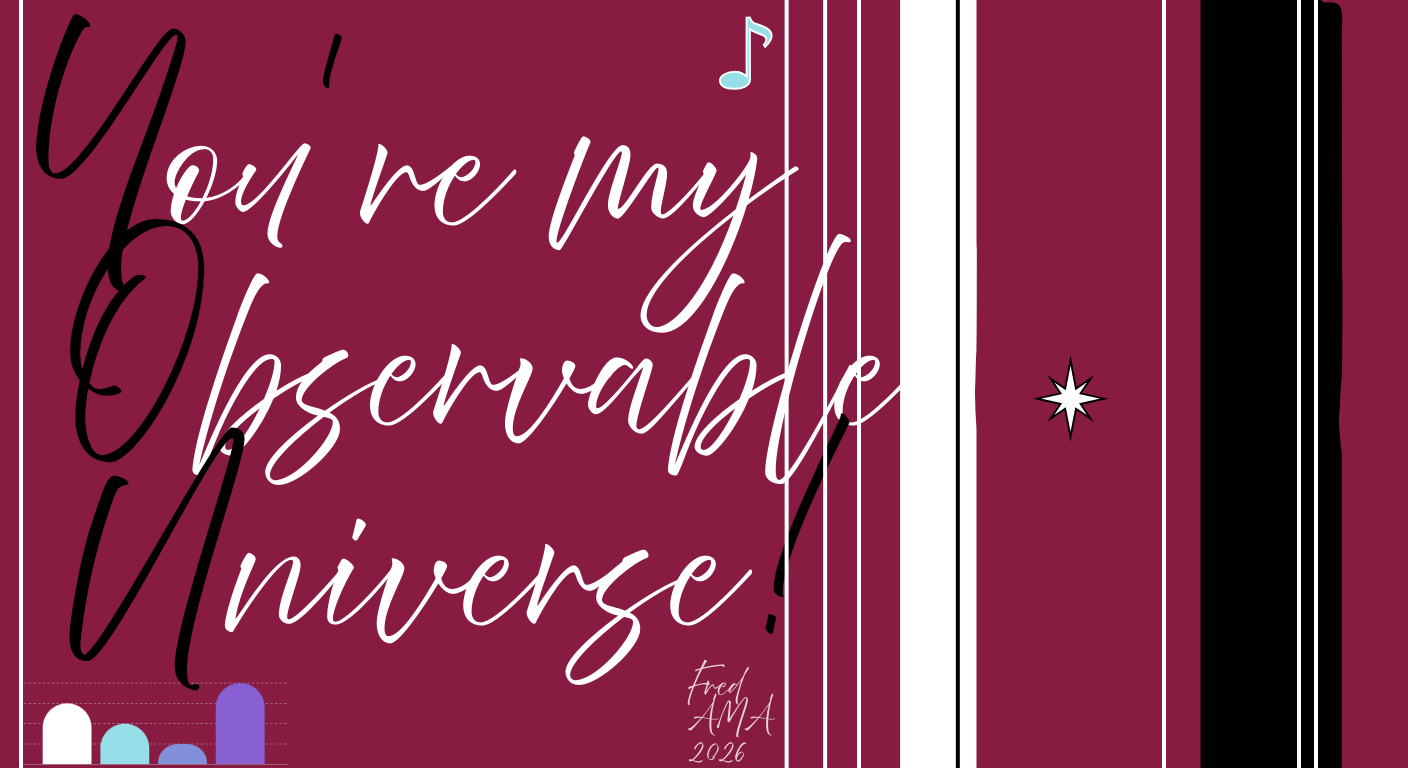
Long before medieval paintings with religious slogans, Poster Art has been present in the history of the visual arts. Since Chéret & Toulouse-Lautrec, the written message has served as a narrative function; that is, writing and images have reinforced each other to create a striking image. Neoposterism, on the other hand, takes a different approach:…
-
-
-
-
-
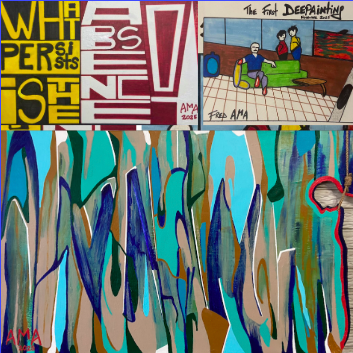
Examples of the 3 paths
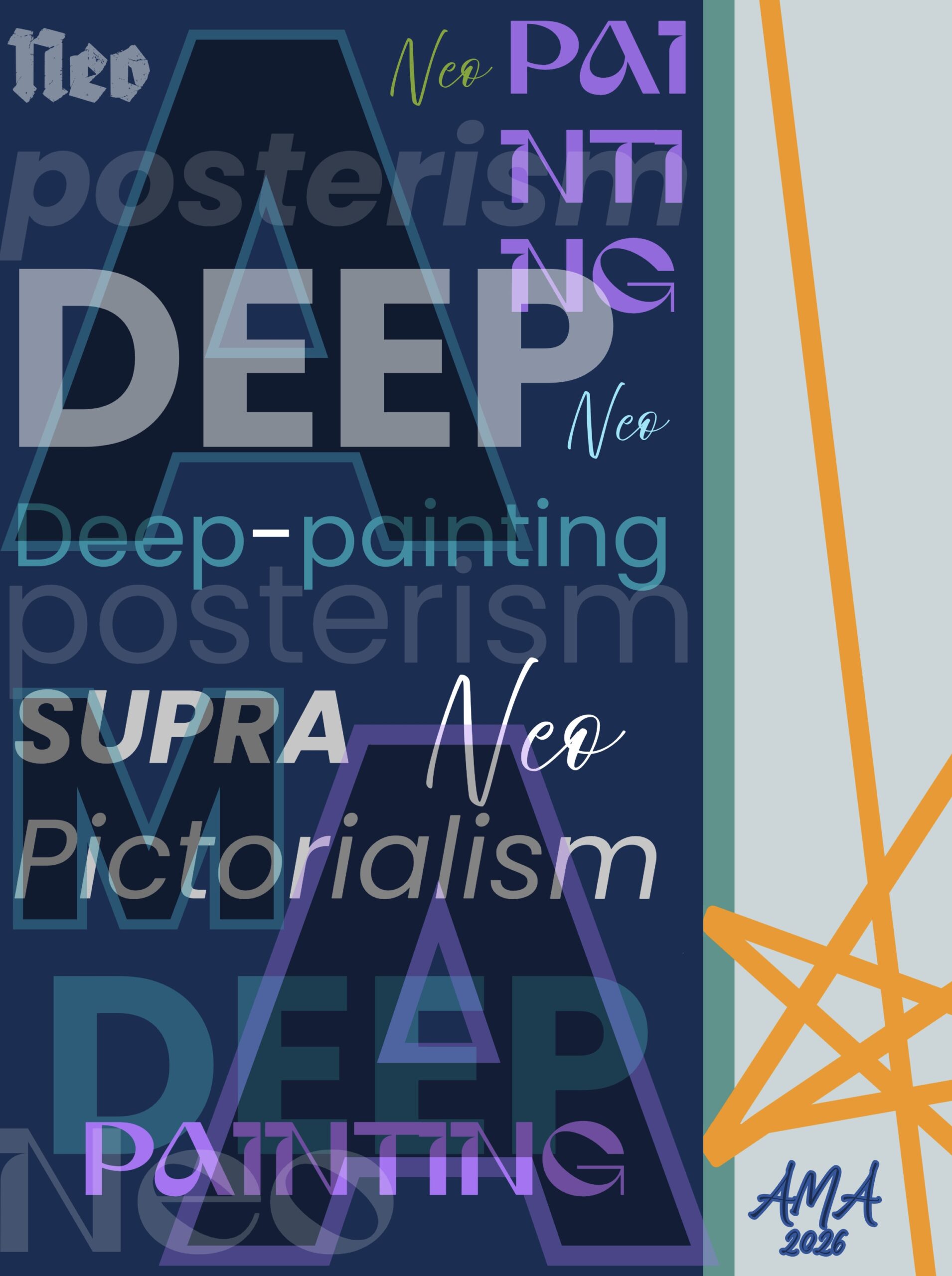
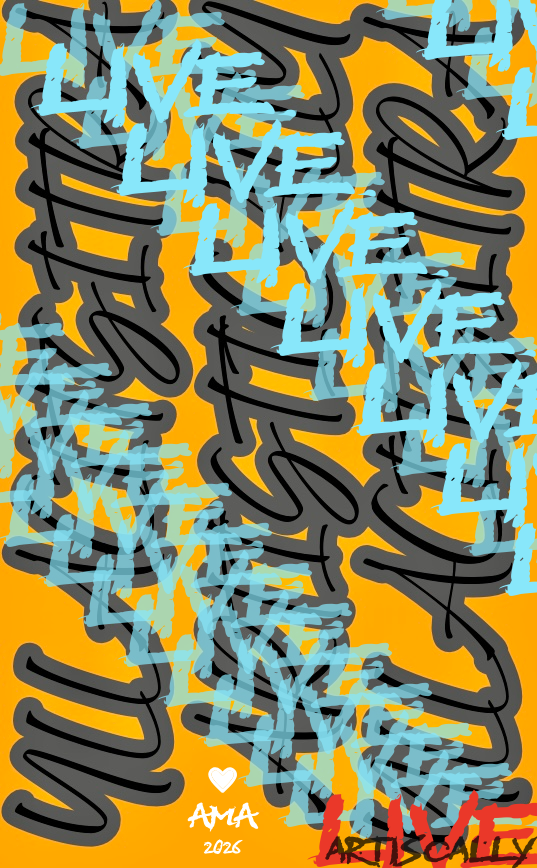
Examples of the three paths: Suprapictorialism, Deep-painting & Neoposterism
-
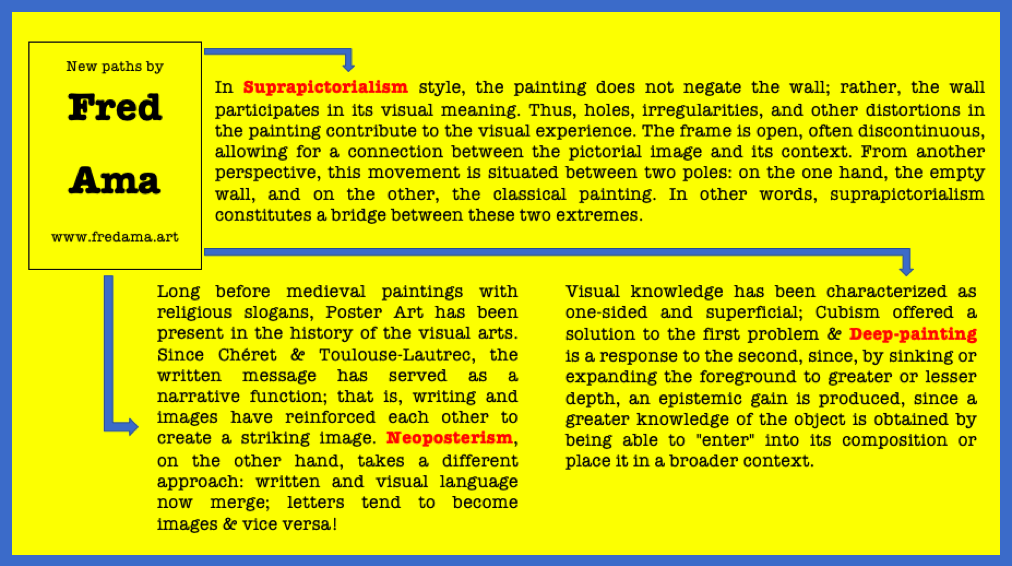
New Paths
New Paths Suprapictorialism: 1. We distinguish between the pictorial image and the totalizing image; we are interested in the latter. 2. Painting is not the negation of the wall, but rather the wall participates in its meaning. 3. Therefore, painting can present holes, irregularities, and other distortions. 4. The frame is open, often discontinuous, allowing…
-

MOMBÓ ART GALLERY (Spain)
The prominent Spanish art magazine, MOMBÓ Art Gallery, published an article with my work, thank you!
-
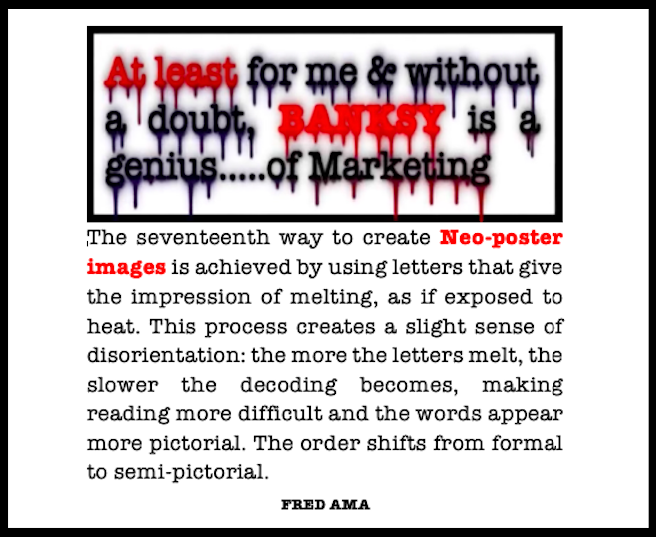
The seventeenth way…
The seventeenth way to create Neo-poster images is achieved by using letters that give the impression of melting, as if exposed to heat. This process creates a slight sense of disorientation: the more the letters melt, the slower the decoding becomes, making reading more difficult and the words appear more pictorial. The order shifts from…